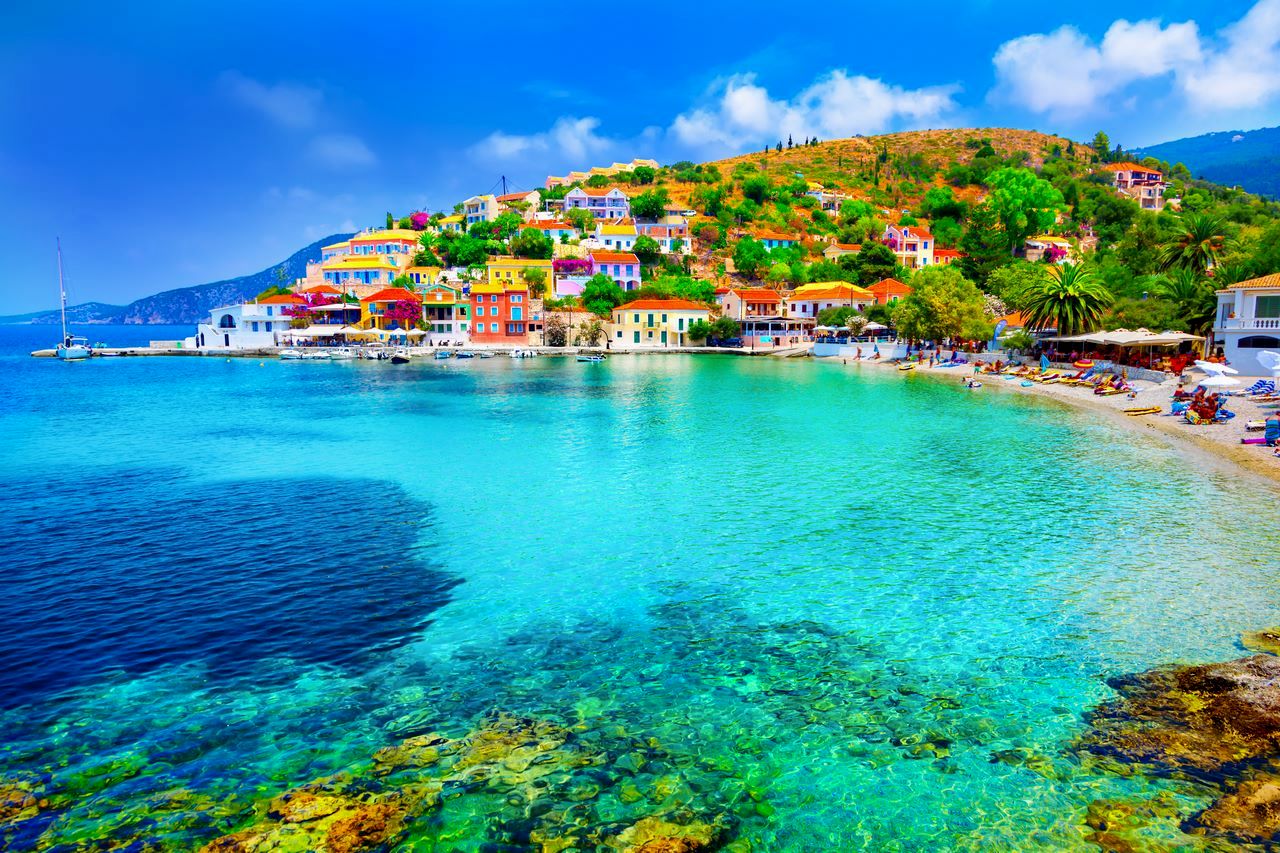
Top Greece Tours: Your Ultimate Guide to Authentic Journeys
Greece isn’t just a place to visit. It’s a feeling.
Think of wild thyme baking in the sun. Think of white Cycladic houses against a deep blue sky. Think of footsteps echoing in ancient theaters.
I’m Yannis Divramis, and I work with a passionate team at My Greece Tours. We live and breathe this beautiful country.
I grew up on the beaches of Milos and Santorini. Each summer, I went island hopping through Lefkada, Corfu, and Crete. So I know firsthand what makes Greece pure magic. That love shapes all of our Greece tours.
We wrote this guide because travel is changing. Today’s visitors are dodging plain cruise ship drop-offs and seeking something real. Good Greece tours now feel local, warm, and relaxed.
Maybe you dream of deep history in the rugged Peloponnese. Maybe you want the perfect sunset with a glass of Assyrtiko in Oia. Either way, this is our complete guide to the top Greece tours.
Let’s make your 2026 Greek trip one you won’t forget. You will need expert local guides, custom plans, and easy booking partners.
Discovering Ancient Glory: Guided Historical Tours Through Athens and the Peloponnese
Athens is the beating heart of Western civilization. But the real magic starts just beyond the city, in the Peloponnese. It’s one thing to snap a selfie at the Acropolis.
It’s another thing to walk through the Lion Gate at Mycenae with a local guide. A good guide makes 3,000-year-old myths feel like breaking news. For more ideas, explore Greece tours and Tours In Greece.
At My Greece Tours, we pair you with historians who don’t just recite dates. Our tailored approach beats standard bus tours because it builds flexibility into your historical deep dives.
Classic 14-day itineraries like Rick Steves’ “Athens & the Heart of Greece” or Cosmos’ “Best of Greece” give you a solid base. They hit UNESCO sites like Epidaurus and Mystras. Our partnerships add smooth transfers and an unscripted, highly local touch.
We’ll show you the Theatre of Epidaurus. Its acoustics are so perfect you can hear a pin drop from the top tier. Then we’ll slip away to a quiet, family-run taverna nearby that large groups can’t reach. That is what the best Greece tours do.


Mystical Delphi and Meteora: Unveiling Greece’s Spiritual Heritage
If the Peloponnese is the heart of ancient Greece, Delphi is its soul. High on the slopes of Mount Parnassus, the Sanctuary of Apollo was once seen as the center of the ancient world.
Stand there as morning mist rolls over the olive groves. You can see why the ancients believed the Oracle spoke with the gods. No list of Greece tours feels complete without it.
But your spiritual journey shouldn’t stop at Delphi. Head further north to Meteora, a landscape that seems to defy logic. Here, 14th-century Eastern Orthodox monasteries perch on top of towering sandstone pillars.
Through our platform, we help you find trips like Expat Explore’s 12-day journeys, but with customized pacing. Watching the sunset cast a fiery glow on these monasteries is a bucket-list moment.
Our guided Greece tours include relaxed visits to the Olympia Museum and these active monasteries. That way, you can soak up the deep calm of Greece’s spiritual heritage without feeling rushed.
Book tours now:
- Sunset Views Temple of Poseidon: Temple of Poseidon Sunset Tour and Temple of Poseidon Sunset Experience
- Legends of Cape Sounion: Exploring Greek Mythology and the Temple of Poseidon
- Importance of Poseidon in Greek Culture: Poseidon, the Greek God | Mythology, Powers & Symbols
- Athens Day Trip Itinerary: Sounion & Cape Sounion From Athens
- Cape Sounion Hiking Trails: Best Routes and Hiking Experiences with AllTrails in Sounio
- Temple of Poseidon Artifacts: Discover Secrets of Massive Ancient Temple Uncovered
- Temple of Poseidon Architecture: Unveiling Ancient Maritime Sanctuary and Architecture
- Ancient Ceremonies Temple of Poseidon: Exploring Maritime Myths and Sacred Stories
- Athens Riviera Tour: Poseidon Temple, Lake Vouliagmeni & Athens Sightseeing
- Athens: Cape Sounion & Poseidon Temple Sunset Half-Day Trip
Island Hopping Adventures: Sun, Sea, and Cycladic Charm
The Greek islands are almost another word for paradise. But ferry schedules are complex, transfers must run on time, and some islands fit together better than others. That takes serious insider knowledge, and that’s where we come in.
Island hopping in the Cyclades is an art form. It balances busy beach clubs with quiet, wind-swept coves. Smart Greece tours plan each hop with care.
We have spent every summer hopping between these blue waters, from Skiathos to Patmos, so we know just what works. We specialize in tailor-made island hops within your Greece tours.
Top luxury operators like Kensington or Odysseys Unlimited offer solid mainland-to-island packages. But booking through us gives you priority access and local support.
We don’t just book you a ferry ticket. We arrange VIP catamaran transfers, hidden boutique stays, and active excursions, like Adventures in Good Company’s Paros hikes. These capture the real Cycladic charm.




Santorini and Mykonos: Experiencing Iconic Aegean Landscapes
Let’s talk about the heavy hitters. Santorini and Mykonos are world-famous, and they top many Greece tours for a reason. Santorini’s whitewashed cliffs drop into a sunken caldera. The view is so dramatic it almost looks fake.
Mykonos, on the other hand, pulses with glamorous, infectious energy. It has winding alleys in Chora and some of the Mediterranean’s best beaches.
But fame naturally brings crowds. The secret to enjoying these islands in 2026 is good timing and deep local connections. Good Greece tours plan around the crowds, not into them.
When we design your Santorini itinerary, we don’t send you to Oia at sunset with ten thousand other tourists. We know the quiet cliffside corners and private sailing routes that avoid the masses.
For Mykonos, we blend the fun nightlife with rich history. Globus and EF Go Ahead feature great routes here. We always insist on adding a short boat trip to Delos, the mythical birthplace of Apollo. It adds a layer of deep history to your beach trip.
Hidden Island Gems: Exploring Naxos, Paros, and Crete
If Santorini and Mykonos are the loud, glamorous siblings, Naxos, Paros, and Crete are the cultured, effortlessly cool ones. We often urge people to step off the beaten path and add these hidden island gems to their Greece tours.
Paros is becoming a favorite for its charming mountain villages like Lefkes and its great coastal hiking trails. Naxos is just a short ferry ride away. It has wide, family-friendly sandy beaches and farmland that grows some of the best food in the Cyclades.
Tour Scoop has great 9-day itineraries that hit these spots. We love to build custom plans that add Naxos to the end of a mainland tour. It gives you a few days of pure relaxation. Great Greece tours mix famous islands with places like these.
Then there’s Crete. Honestly, Crete is practically its own country. I’ve spent months exploring Knossos, hiking the rugged Samaria Gorge, and eating my way through Chania. It’s wild, diverse, and fiercely independent.
Some solo tours pair Crete with Santorini. We suggest giving Crete at least five to seven days on its own, if you can swing it.
You will find hidden lagoons and ancient mountain villages where time seems to have stopped. These islands offer the real Greek lifestyle many people are searching for.
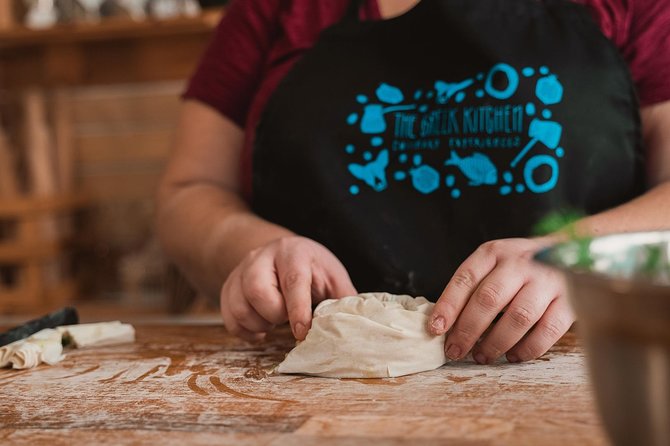


Cultural Immersion: Authentic Culinary and Lifestyle Experiences
You haven’t truly experienced Greece until you’ve shared a huge, multi-hour meal at a local taverna. For us, cultural immersion isn’t an optional add-on to Greece tours. It’s the core of how we travel.
We want you to feel the rhythm of daily Greek life. It usually revolves around the dinner table, loud talk, and a deep love of slowing down.
Our guided tours put this lifestyle first. Walking up the Acropolis is an essential rite of passage. Walking through the busy central markets of Athens with a local chef is just as important.
Top-rated TripAdvisor tours often highlight these Athens food walks, and we weave them into your custom itinerary. We want you dodging hanging meats and tasting fresh feta straight from the wooden barrel. We want you sipping very strong Greek coffee in a hidden kafeneio.
We can also arrange hands-on Byzantine art workshops or traditional pottery classes, like the niche excursions offered by Expat Explore. Greece tours like these let you live the culture, not just see it.
Tasting Greece: Olive Oil, Wine, and Traditional Gastronomy
Greek food is a masterpiece of simplicity. It relies on top-quality local ingredients: sun-ripened tomatoes, wild oregano, and, of course, “liquid gold”, our olive oil.
Tasting Greece is a full-blown adventure. We often build whole Greece tours around the country’s food map.
In the Peloponnese, we arrange private tours of ancient olive groves. You’ll learn about cold-pressed, extra virgin olive oil straight from families who have harvested it for generations.
Wine lovers will be just as thrilled by the booming Greek wine scene. Beyond the famous volcanic Assyrtiko wines of Santorini, we’ll show you the deep, complex reds of Nemea. You’ll also taste the crisp whites of Moschofilero.
We work closely with operators like Scott Dunn so these tastings feel private. Picture a private dinner in a traditional courtyard in Crete, with slow-roasted lamb and local dakos salad.
Food is our love language. On our Greece tours, your taste buds get a five-star tour of their own.


Crafting Your Perfect Itinerary: Tailored Excursions with Local Experts
There is no “one size fits all” in Greece. A young couple who wants trendy beach clubs in Mykonos needs a very different trip. So does a family visiting ancient archaeological sites in Laconia. That is why tailoring your Greece tours is a must.
At My Greece Tours, we take pride in matching you with the right local experts and partners. Maybe you want a luxury, fully custom trip like Kensington’s premium offerings. Maybe you want fun, social tours found on platforms like TourRadar, such as Costsaver or Contiki.
Either way, we act as your dedicated on-the-ground advocates. We add our local, native-speaker perspective to their offerings.
We’ll sit down with you and map out a route that balances guided activities with downtime. We know the ferry schedules that keep shifting, the quirks of domestic flights, and the days when ancient sites are closed.
A perfect itinerary ties the details together so you never feel rushed or stressed. Your journey should flow from the busy, historic streets of Athens to the quiet, sun-drenched shores of Milos. Our large local network supports you the whole way.
Essential Travel Tips for Your 2026 Greek Vacation
If you’re planning Greece tours for 2026, our best advice is to start early. Demand for authentic, small-group experiences in Greece is growing fast.
Booking early secures your spot. It often gets you better rates and closer attention from highly sought-after boutique hotels.
Here are a few insider tips from our decades of crossing the country. First, aim for a balanced trip length. We suggest a sweet spot of 10 to 14 days.
That lets you easily combine a solid mainland trip, with those key UNESCO sites, and a relaxing island-hopping finish. Don’t try to cram five islands into seven days. You’ll spend your whole trip worn out on a ferry. The best Greece tours leave room to breathe.
Mix up your transport wisely. Use domestic flights for long distances, like Athens to Crete. Take the high-speed ferries between closely grouped islands like Naxos and Paros.
Solo travelers should look for operators like Rick Steves or EF Go Ahead. They sometimes waive or reduce single supplements.
Finally, think about joining Greece tours in the shoulder seasons: May, June, September, and October. You get bright Mediterranean sun and warm waters. You can also hear your guide at the Acropolis without a megaphone.
Conclusion
Greece in 2026 offers a blend of ancient history, stunning Aegean views, and food that spoils you for meals anywhere else. Maybe you’re standing in awe before the rock pillars of Meteora. Maybe you’re sailing into the huge Santorini caldera.
Maybe you’re enjoying a long, loud dinner in a busy Athenian taverna. Either way, the moments from your Greece tours will echo for a lifetime.
At My Greece Tours, we are passionate about sharing our home with you. Don’t settle for a plain trip template. Let us help you craft an authentic journey that captures the true, beating heart of Greece. Your ultimate Aegean adventure is waiting.
Key Takeaways
- The top Greece tours for 2026 combine famous historical sites with authentic experiences led by local experts for a deeper cultural connection.
- A well-planned Greek island itinerary should balance popular destinations like Santorini and Mykonos with quieter gems such as Naxos, Paros, and Crete.
- Immerse yourself in the local culture through authentic culinary experiences, including olive oil tastings, winery visits, and market tours.
- For a comprehensive trip, aim for a 10-14 day itinerary that covers both mainland spiritual sites like Delphi and Meteora and relaxing island hopping.
- Book your Greece vacation early and consider traveling during the shoulder seasons (May, June, September) to avoid crowds and secure better availability.
Frequently Asked Questions About Greece Tours
What makes a guided historical tour in Greece unique?
A top historical tour in Greece goes beyond dates. Expert local guides make ancient myths feel alive. These tailored tours offer flexibility and access to special spots, like family-run tavernas. You get a deeper, closer link to sites like Mycenae and the Acropolis.
How can I experience Santorini and Mykonos without the crowds?
The key is using local knowledge for timing and access. Specialized Greece tours can guide you to quiet sunset spots and arrange private sailing routes that avoid crowds. They can also blend top sights with special stops, like a historical day trip from Mykonos to the sacred island of Delos.
Beyond the famous islands, what are some hidden gems for Greece tours?
For more authentic Greece tours, explore islands like Naxos, Paros, and Crete. Naxos is known for its great food and family-friendly beaches. Paros offers charming villages and great hiking. Crete has a vast, rugged landscape and its own unique culture, from Knossos to the Samaria Gorge.
What is the best time of year to take a tour in Greece?
The ideal time to visit Greece is during the shoulder seasons: May, June, September, and October. Greece tours in these months enjoy great weather and warm seas. There are also far fewer crowds at busy ancient sites and islands, so your trip feels more relaxed.
What kinds of authentic cultural experiences can I expect on a Greece tour?
Immersive Greece tours focus on cultural experiences. These include Athens food market walks with local chefs, olive oil tastings in ancient Peloponnese groves, and Assyrtiko tastings in Santorini. You can also join hands-on workshops, like Byzantine art or traditional pottery, to feel closer to Greek heritage.
How long should a typical trip to Greece be?
For a balanced trip, we suggest Greece tours of 10 to 14 days. That is enough time to explore major mainland sites, such as Delphi and Meteora. You can then spend a few days on a relaxing island-hopping adventure in the Aegean Sea.
What should you eat on Greece tours?
Eat what is local and in season. On most Greece tours, that means vegetables, olive oil, cheese, grilled meat and fresh fish. Each region then adds its own twist.
The Greek table in one minute
Greek food is simple and fresh, and cooks start with olive oil, lemon, oregano, tomatoes and good bread. Meals are built around vegetables, beans, cheese, fish and grilled meat, and they are meant to be shared.
Dishes change with the season, so summer brings tomatoes, peaches and sea fish. Autumn is for mushrooms, new olive oil and wine. Spring means wild greens and young lamb. You will eat well in any month if you order what the kitchen is proud of.
Cheese is on almost every table, and feta is the best known, but graviera, kefalotyri and mizithra are common too. Yogurt, honey and nuts show up at breakfast and dessert.
Why food shapes Greece tours
A meal in Greece is an event, not a quick stop. Lunch can last two hours, and dinner can last even longer. Good Greece tours leave room for that, so you never rush a table.
Food is also the easiest way to meet people. Ask the owner what to order, and you may get a story and a free dessert. That small chat often becomes the best memory of the day.
Plan one long meal each day and let the rest of the day flex around it. Many Greece tours work this way, with sights in the morning and a slow lunch or dinner as the main event.
How to use this guide
This guide moves from regions to dishes, then to drinks, markets and manners. Read it before you book Greece tours, and note the places that match your taste. Our guide to Greek food to try on tour adds a longer list of dishes.
If you are still choosing a trip, start with this advice on choosing the right Greek tour. You can also compare small-group and private tours in Greece to see which style suits a food lover best.
Which places are best for food on Greece tours?
Pick two or three regions and eat deeply in each. Every part of Greece has its own dishes, cheeses and drinks. Use the groups below to match places to your taste.
Athens, Attica and the Peloponnese
Athens is the easiest place to start, with markets, street food and tavernas in every district. The Peloponnese then adds olive groves and village lunches beside ancient sites. Many Greece tours link the two by road.
- Athens: street food, central market halls and tavernas below the Acropolis
- Mycenae: royal ruins in the Argolid, ideal with a long lunch among olive groves
- Olympia: the home of the ancient Games, set among olive groves and village tavernas
Crete and the Cyclades
Crete has a food culture of its own, built on wild greens, cheese, herbs and olive oil. The Cyclades add sea fish, capers and island cheeses to the mix. Each island cooks a little differently, so mix two or three on Greece tours.
- Crete: dakos, small cheese pies, wild greens and a shot of raki after the meal
- Naxos: potatoes, graviera cheese and farm-style tavernas
- Paros: fish tavernas on the harbor in Naoussa, plus local cheeses
- Santorini: fava, cherry tomatoes and Assyrtiko wine from volcanic vineyards
- Sifnos: chickpea soup baked in clay pots and a proud home-cooking tradition
The Ionian Islands
Venetian rule left its mark on Ionian cooking. Look for rich tomato sauces, sweet spices and Italian-style names on the menu. These islands are green, so herbs and vegetables are fresh all summer.
- Corfu: pastitsada, sofrito and bourdeto, plus kumquat liqueur
- Kefalonia: meat pie, local cheeses and Robola white wine
- Lefkada: lentils from the mountain village of Eglouvi and quiet seaside tavernas
Thessaloniki and the north
Thessaloniki is the food capital of the north, with spice, pastries and a lively street-food scene. It holds a UNESCO title for gastronomy, and food-focused Greece tours often stop here. The mountains nearby add hearty dishes and strong spirits.
- Thessaloniki: bougatsa for breakfast, spiced meatballs and the Modiano market
- Pelion: mountain villages known for apples, chestnuts and tsipouro with meze


How many days of Greece tours does a food-focused trip need?
Plan at least five days for a real food trip. Seven to ten days lets you taste two regions without rushing. Two weeks covers most of the map.
Three to four days: one city
A short break works if you stay in one place. Athens suits it best, with markets, a food walk, a cooking class and one day trip. Skip the islands, because ferries eat into your time.
Thessaloniki is another good base for a short stay. Bakeries, seafood and meze bars sit within walking distance. Book your favorite tables a few days ahead in high season.
On a short trip, book one anchor activity for each day. A morning market walk, a cooking class and an evening meze crawl fill three days well. Leave the rest of the time for wandering and snacks.
Seven to ten days: two regions
Pair Athens with one island group, because both Crete and the Cyclades work well. Fly between them when time is short. Take the ferry if you want sea air. Our 7-day Greece itinerary shows how a week can look.
Keep one full day free for nothing but long meals. Add a half-day wine tasting or a farm visit. This guide to traveling between Greek islands will help you plan the moves.
A good split is four nights in Athens and four on an island. Add a day trip to a wine region if you want to taste more. Many Greece tours of this length follow that shape.
Two weeks: the full food map
Two weeks lets you add the Peloponnese, the north and one more island. Slow down in each place so the food stays the main story. A self-guided itinerary can help you map the days.
Many Greece tours save the best meals for the final days, when you know what you like. Leave space for a second visit to a favorite taverna. A repeat meal often tastes even better.
How do you order in a taverna on Greece tours?
Ask what is fresh today and order a few dishes to share. Greek tavernas expect you to take your time. Nobody will rush you.
Classic dishes to know
Start with dips like tzatziki, which is yogurt, cucumber and garlic. Add a Greek salad, called horiatiki, with tomato, cucumber, olives and a block of feta. Order fava, a creamy puree of yellow split peas, if you see it.
For mains, try moussaka, which layers eggplant, minced meat and white sauce. Pastitsio is baked pasta in a similar style. Gemista are tomatoes and peppers stuffed with rice. Kleftiko is lamb cooked slowly until it falls off the bone.
How the menu works
Many tavernas have a short menu and a few dishes of the day. Look at the counter or ask to see the pots in the kitchen. Home-style dishes often sell out, so on Greece tours go early for the best choice.
Mains often come without sides, so add a salad, potatoes or boiled greens for the table. House wine arrives in small carafes, ordered by the half kilo or the kilo. Water and bread usually arrive without being asked. On Greece tours with a guide, ask them to pick a taverna in each region.
Two sides are worth knowing. Horta is boiled wild greens with oil and lemon, and it is a staple. Patates lemonates are potatoes roasted with lemon, and they suit almost any grilled dish.
Words that help
A few Greek words go a long way on Greece tours. Parakalo means please, and efharisto means thank you. Our list of essential Greek phrases for travelers has more.
A shared taverna dinner often costs about 20 to 35 euros per person with wine. Islands in high season can cost more. These budget tips for Greece visitors help you plan a daily food budget.
How does meze work on Greece tours?
Meze are small plates that arrive in waves and sit in the middle of the table. You share them, and nobody keeps a plate to themselves. Order a few, then add more.
What counts as meze
Cold plates often come first, such as tzatziki, eggplant dip and taramosalata, a pink dip made from fish roe. Hot plates like saganaki, which is fried cheese, follow.
Meze can be dips, fried cheese, grilled octopus, zucchini fritters, olives and small fish. They pair well with ouzo, tsipouro or wine. Some places, such as ouzeri and tsipouradika, serve little else.
A meze meal is slow, and food comes out as the kitchen cooks it, with no set order. Expect the table to fill, then empty, then fill again. That rhythm is part of the fun on Greece tours.
How many plates to order
A good rule is two to three plates per person for a full meal. Start with four or five for a group, and then add more. It is easy to order too much, so add plates in rounds.
Mix cold and hot dishes, and add one fish and one meat. Pick one or two vegetable dishes so the meal stays light. Finish with fruit or a spoon sweet, which the house may offer for free.
Here is a simple plan for four people. Order tzatziki, fava, a Greek salad, fried zucchini, grilled octopus and saganaki. Add two mains to share if you are still hungry. That order feeds a table well without waste.
Sharing manners
Take small portions first so everyone gets a taste. Pass plates around, and offer the last piece to others. Hosts often like to treat the table, so offer to cover the next round.
Meze meals on Greece tours shine in small places. Try the family tavernas in traditional Greek villages. You can also learn more about local Greek traditions to understand why the table matters so much.
How do you choose fresh fish and seafood on Greece tours?
Look at the whole fish and ask the price per kilo before it is cooked. Clear eyes, red gills and a clean sea smell show a fresh catch. If a server will not show you the fish, order something else.
Whole fish and price per kilo
Many tavernas sell whole fish by weight. The menu lists a price per kilo, so the final bill depends on the fish you pick. Ask the server to weigh it and tell you the total before cooking. This one habit saves many surprises on Greece tours.
Prices vary by fish and place, but good fish often costs around 50 to 90 euros a kilo. A fish of about half a kilo is a main course for one person. Plates of small fish cost much less.
Common fish and how they are cooked
Sea bream, sea bass and red mullet are popular and are usually grilled whole. Small fish like sardines and anchovies are fried or grilled. Octopus is often dried in the sun, then grilled. Squid is usually fried or grilled.
Grilled fish comes with ladolemono, a simple dressing of olive oil and lemon. Kakavia is a fisherman’s soup worth trying. Shrimp saganaki is made with tomato sauce and feta. Those three dishes show how varied Greek seafood can be.
Local names help. Tsipoura is sea bream, lavraki is sea bass, and barbounia is red mullet. Gavros means anchovy, and htapodi means octopus. Say them aloud, and the server will smile.
Freshness and frozen seafood
Fresh seafood is seasonal, so some items, such as shrimp and squid, may be frozen out of season. Menus often mark frozen items with a small star or a note. If you are unsure, ask.
Seafood on Greece tours is best near the sea, so eat lunch in a harbor town when you can. A boat day with a fish lunch is another good option. Our guide to boat tours for Athens and Attica visitors explains the choices. Longer sailing trips need more planning, so book early.
What is Greek coffee and frappe culture on Greece tours?
Greek coffee is strong, small and slow. The frappe is a cold, foamy drink that fills cafe terraces all summer. Both are part of daily life.
How Greek coffee is made
Greek coffee is made in a small pot called a briki. Fine coffee, water and sugar are heated slowly until a foam forms on top. The coffee is poured, grounds and all, into a small cup.
Order by sweetness, because sketos has no sugar, metrios has a little, and glykos is sweet. Sip slowly and stop before the grounds at the bottom. A glass of cold water usually comes with the cup.
The frappe story
The frappe was invented in Thessaloniki in 1957. A company representative at a trade fair wanted a coffee but had no hot water. He shook instant coffee, cold water and sugar in a shaker, and a new drink was born.
Today, many people prefer the freddo espresso or freddo cappuccino. Both are shaken or whipped with ice and topped with cold foam. Ask for sketo, metrio or glyko to set the sugar level. Summer cafes on Greece tours run on these iced drinks.
Coffee as a pause
Coffee is a reason to sit, not to hurry. Locals can stay at a table for an hour or two. The kafeneio is a traditional coffee house, where friends talk and play backgammon.
Order one coffee and stay as long as you like. Nobody will ask you to leave. Plan a break between sights on walking tours of Greek cities, and let the cafe be a stop in itself. Good Greece tours always include time to sit.
Which local drinks and wines should you try on Greece tours?
Try ouzo, tsipouro, raki and a local wine in the place where each is made. Retsina deserves one glass, too. Always drink with food and pace yourself.
Ouzo
Ouzo is a clear spirit flavored with anise. Add water or ice, and it turns milky white. It pairs best with meze, especially grilled octopus and small fried fish.
Lesbos is famous for its ouzo, but you will find it across the country. Sip slowly, because it is strong. Drink water between glasses, and eat as you go. Ouzo is mixed with water at the table, so you control the strength on Greece tours.
Tsipouro and raki
Tsipouro and raki are made from the skins and seeds left after winemaking. Tsipouro is common in northern and central Greece. In Crete, the same kind of spirit is called raki or tsikoudia.
Hosts in Crete often pour a small raki at the end of a meal, free of charge. In winter, locals warm it with honey. It is a sign of welcome, so accept it with a smile.
Retsina
Retsina is white wine flavored with pine resin. The habit goes back to ancient times, when resin sealed wine jars. A cold glass with fried fish or meze is a classic match.
The taste is sharp and piney, so it divides opinion. Try a small glass before you order a bottle. Many newer bottles are lighter than the old house style.
Wine regions to know
Santorini makes crisp white Assyrtiko on volcanic soil. Nemea in the Peloponnese is known for the red Agiorgitiko. Naoussa in the north is home to the red Xinomavro. A good wine list reads like a map of the country.
Crete, Macedonia and the Ionian Islands also make good wines, and many wineries offer tastings for visitors on Greece tours. Our guide to popular wine regions in Greece lists more. Santorini tours and day excursions are one way to reach the vineyards.
Why do olive oil and honey matter on Greece tours?
Olive oil is the base of almost every Greek dish, and honey is the classic sweet finish. Both change by region and by harvest. Tasting them is a quick way to learn a place.
Olive oil basics
Greece is one of the world’s big olive oil producers. A large share of its oil is extra virgin. The Koroneiki olive is common in the Peloponnese and Crete, and the harvest runs roughly from October to January.
Fresh oil tastes green and grassy, with a peppery kick in the throat. That kick is a good sign, so visit a mill in the harvest months to see the olives pressed. Many Greece tours add a mill stop for this reason.
How to taste and buy
At a tasting, you warm a small glass in your hand, smell the oil, then sip. Look for the harvest date and the producer’s name on the label. Dark glass or a tin protects oil from light.
A tin of local oil is a light, useful gift. Pack it in your checked bag, because carry-on liquids are limited to 100 ml. Buying direct from farms also supports small producers, a theme in our guide to sustainable travel in Greece.
Honey and sweet things
Thyme honey is prized in Crete and on the island of Kythira. Pine honey is the most common type in Greece, with a dark color and a mild, malty taste. Fir honey is also popular in the mountains.
Greek yogurt with honey and walnuts is a simple dessert or breakfast. You will find it at hotels and cafes across the country. Honey also appears in baklava, in loukoumades and in rakomelo, a warm raki drink. For farm and village stops on Greece tours, see our guide to hidden gems in Crete.
Where can you find street food, bakeries and markets on Greece tours?
Look for bakeries at breakfast, souvlaki shops at lunch and covered markets any morning. These are the cheapest ways to eat well. Locals use them every day.
Street food classics
Souvlaki is grilled meat on a skewer, served in pita or on a plate. Gyros is meat shaved from a vertical spit and wrapped with tomato, onion and tzatziki. In Athens, fries often go inside the wrap.
A souvlaki wrap often costs about three to five euros. Add a koulouri, a sesame bread ring, for a breakfast under two euros. Our Athens street food guide names more snacks to try on Greece tours.
Bakery stops
A fournos, or bakery, opens early and sells cheese pies, spinach pies and sweets. Tiropita is cheese pie, and spanakopita is spinach pie. Bougatsa, a custard or cheese pie, is the signature breakfast of Thessaloniki.
For dessert, try loukoumades, which are hot dough balls with honey and cinnamon. Galaktoboureko is a syrupy custard pie. Many bakeries sell by weight, so point and ask for one piece.
Food markets
Athens has its Central Market on Athinas Street, where meat and fish halls sit beside spice shops. Thessaloniki has the Modiano and Kapani markets. Chania in Crete has a large covered market.
Neighborhood farmers’ markets, called laiki, run on set days in many cities. Go early for the best fruit and cheese. Our guide to food markets in Greece covers more cities.
Markets are also the place to buy spices, dried herbs, olives and local cheese. Walk the aisles in the morning and watch the shopkeepers at work. Greece tours with a local guide often explain what to buy and how to use it.
How do cooking classes and food tours fit into Greece tours?
They fit best on a free morning or afternoon in the first half of your trip. A class teaches you dishes, and a food tour teaches you where to eat. Book both ahead in summer.
Cooking classes
Most classes last three to five hours and end with a meal you cook yourself. You may make tzatziki, dolmades, a pie with hand-rolled filo or a classic main dish. Some classes begin with a market visit.
Prices often fall between 60 and 120 euros per person, with wine included. Look for small groups so you can cook, not just watch. A class in a home, farm or village feels more personal than a large school.
A class on a Cretan farm or an olive estate in the Peloponnese adds a local story to the recipes. Good Greece tours match the class to the region you are visiting.
Food walks and tastings
A food walk visits six to ten stops in a few hours, such as a bakery, a market and a meze bar. Expect small portions and a fair amount of walking. Food tours are common in Athens, Thessaloniki and Chania.
Tastings of olive oil, honey, cheese or wine may be part of a tour. Many visit family producers. Read the description to see if lunch is included, and tell the operator about any allergies.
Choosing a tour style
Private guides suit food lovers who want a custom route, as shown in our guide to private tours in Greece. Small groups cost less and are more social. Greece tours from Athens are an easy way to add a day trip and a long lunch.
Check the pace before you book, because a good food tour never feels like a race. Ask how many people join, how many stops are planned and how long you will spend at each table.
How do vegetarian, vegan and allergy needs work on Greece tours?
Greece tours are easy for vegetarians and workable for vegans. Gluten-free and allergy needs take more care, so plan ahead and ask clear questions. Tell the kitchen early.
Vegetarian and vegan options
Many classic dishes are made with vegetables and olive oil. Look for fasolakia, which are green beans in tomato sauce, and briam, which is roasted vegetables. Gigantes are baked giant beans, and fava is a split pea puree.
During Orthodox fasting periods, tavernas serve dishes with no meat, dairy or eggs. Lent before Easter is the best known, and August has a shorter fast. Ask for nistisima dishes to find fully vegan food. Our guides to Greek Easter traditions and Greek holiday customs explain the calendar.
Most tavernas will make a plate of mixed vegetables or beans if the menu looks thin. Ask politely, and the cook will often be happy to help. On Greece tours with a guide, ask the guide to call ahead.
Hidden animal products
Check that beans, rice and greens are not cooked in meat stock. Some pies use lard, and a Greek salad comes with feta. Say xoris feta, which means without feta, if you eat vegan.
Vegans may find fewer choices on small islands. Fasting dishes, grilled vegetables, olives, fresh fruit and bread can fill the gap. Athens and Thessaloniki have dedicated vegan cafes. Dairy is common, so also ask about yogurt, butter and cheese in pies and sweets.
Gluten-free and allergies
Grilled meat, fish, salad, rice dishes, fava and yogurt are often gluten-free. Bread, pita, filo pies, orzo and breaded meatballs are not. Ask how each dish is made.
For allergies, learn Eimai allergikos, said by a man, or Eimai allergiki, said by a woman. Both mean I am allergic, so carry a card in Greek that lists your allergens. Nuts and sesame appear in many sweets and breads.
When do people eat, and how much should you tip on Greece tours?
Lunch is usually late in the afternoon, and dinner starts after nine in summer. Service is included in menu prices, but a small extra tip is normal. Round up or leave about five to ten percent.
Meal times
Breakfast is light, often coffee with a koulouri or a pie. Lunch is the main meal for many locals and runs from about two to four. Dinner often begins around nine, especially on summer nights.
Many kitchens open for early guests around seven or eight. Eat then if you have children or want a quiet table. Late dinners are part of Greek life, so plan your day on Greece tours around a long evening.
On the islands, small shops and kitchens may close for a rest in the mid-afternoon. Plan your sightseeing around that pause. A late lunch followed by a swim makes a perfect day on Greece tours.
Tipping and the bill
Leave cash on the table or hand it to the server. Rounding up the bill is enough in casual places. For good service in a sit-down taverna, about five to ten percent is kind.
The server will not bring the bill until you ask. Say to logariasmo, parakalo. Some tavernas add a small bread charge of one or two euros per person. Keep a few small notes and coins handy for tips.
Manners at the table
Dinner is a social event, so settle in and enjoy it. Compliment the food, and expect more plates to arrive. Our guide to cultural etiquette in Greece covers more table manners.
Check opening times in the off season. Many island tavernas close in winter, so a visit in May or September is safer. See the best time to visit Greece for weather and crowds.
Questions about food and drink on Greece tours
Food questions come up on every trip. These short answers cover the ones travelers ask most.
Is tap water safe to drink on Greece tours?
Tap water is generally safe in Athens and most large towns. On many islands it is treated sea water, so locals buy bottled water. Ask your hotel if you are unsure.
How much should I budget for food each day?
About 40 to 70 euros a day covers coffee, a bakery breakfast, a casual lunch and a taverna dinner. Resort areas cost more. Street food and bakery meals keep the total lower.
Do I need to book tavernas ahead?
Book ahead for popular places and for weekend dinners in high season on Greece tours. Walk-ins are fine for casual spots and lunches. Ask your hotel to call for you.
What is a typical Greek breakfast?
Most locals have coffee with a koulouri, a cheese pie or a pastry. Hotels also serve yogurt with honey, fruit, eggs and bread. Bakeries are the cheapest option.
What food can I bring home?
Olive oil, honey, oregano and sealed cheese are the best souvenirs from Greece tours. Pack liquids in your checked bag. Check your home country’s rules for dairy products.
Can I find food on a ferry?
Most ferries have a cafe that sells coffee, pies and sandwiches. Bring fruit and snacks for long crossings. Our tips for ferry travel in Greece cover tickets and ports.